For this project our class worked together to make a presentation on the characteristics of civilization. Our group researched and created the slides on....... Hope you learned something about civilization.
Monday, December 3, 2018
Thursday, November 15, 2018
***Example*** EPIC of Gilgamesh and Mesopotamian Beliefs
For this project we spent time learning about the religious beliefs of the Ancient Mesopotamian civilizations. We also read the Epic of Gilgamesh in class, the oldest story in human history. I have included some of what I learned below.
First of all the Civilizations of Mesopotamia had a polytheistic religion. According to dictionary.com polytheism is "the doctrine of or belief in more than one god or in many gods."
The people of Mesopotamia worshiped many gods, but each city had a patron or main god that they believed looked out for the people of their city especially. The different god, monsters, and demons were in charge of different things such as the sun, water, war, and death.
When regular people wanted to get help from the gods they would visit a temple. Temples in Mesopotamia were called Ziggurats these were tall mud brick buildings that looked a bit like small mountains. At the temple priests would communicate and pray to the gods for you. People made sacrifices to the gods of things that were valuable to them including food.
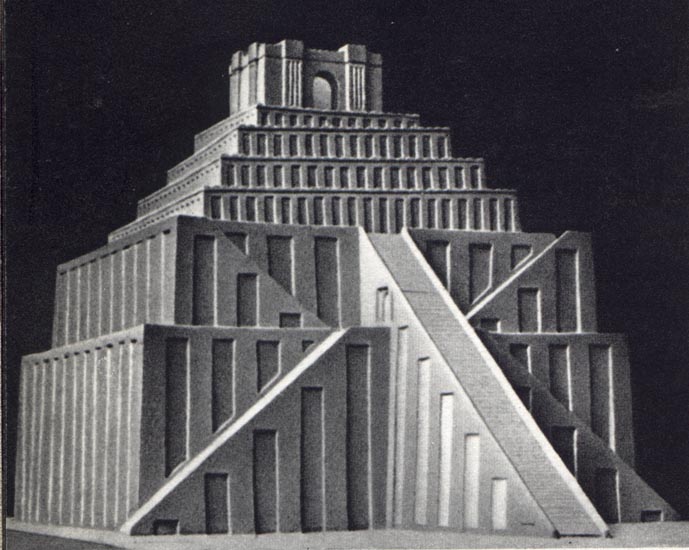
According to Mesopotamian Mythology the reason the gods created humans is....
In class we read through the Epic of Gilgamesh which is the oldest written story in human history. The Epic of Gilgamesh tells us about the world of the Ancient Mesopotamian peoples, what they valued, what they feared, and what they thought about.
The Epic of Gilgamesh is the story of Gilgamesh king of strong walled Uruk.....
After reading the Epic of Gilgamesh we created multiple choice questions based on what we learned. Here are my three favorite questions...
A. To defeat the demon Humbaba
B. To marry the goddess Ishtar
C. To tame the bull of heaven
D. To find the secret of immortality

Monday, October 15, 2018
Life in the Paleolithic era Hunting and Gathering for the Win
Our class learned about what life was like during the Paleolithic Age, a time when humans had to hunt and gather all of the food and resources they needed to live. For this project we read an article and watched two video clips to learn more about this interesting time. Please enjoy my blog post on what I learned.
What is a Hunter-Gatherer?
A Hunter-gatherer was a person that survived by hunting wild animals and gathered wild plants and other foods and resources in order to survive. These people were usually nomadic because they had to follow food and other resources around as they moved or ran out in the place that they lived.
Where and When Did they Live?
At one time hunter-gatherers lived all over the planet. Homo Sapiens, our species, began in Africa and spread to every continent except Antarctica. People stopped hunting and gathering after they adopted a farming life. Different people adopted farming at different times all over the world. Some people refused to give up the hunting and gathering life for many years even after their neighbors became farmers. Even to this day a few isolated tribes continue the hunting and gathering way of life!
What is a Hunter-Gatherer?
A Hunter-gatherer was a person that survived by hunting wild animals and gathered wild plants and other foods and resources in order to survive. These people were usually nomadic because they had to follow food and other resources around as they moved or ran out in the place that they lived.
Where and When Did they Live?
At one time hunter-gatherers lived all over the planet. Homo Sapiens, our species, began in Africa and spread to every continent except Antarctica. People stopped hunting and gathering after they adopted a farming life. Different people adopted farming at different times all over the world. Some people refused to give up the hunting and gathering life for many years even after their neighbors became farmers. Even to this day a few isolated tribes continue the hunting and gathering way of life!
Sources:
Wednesday, September 26, 2018
Stone Chopping Tool Podcast
For this assignment Mr. Rothemich asked teams to research information about the fossils and artifacts that tell us about where humans originated. Our team took the research and created a podcast on Lucy to show what we learned.
Sources Used:
Wednesday, March 28, 2018
Top Five Sites of Ancient Egypt
For this project our class researched the top five places/artifacts that tourist have to visit in Egypt. We limited our sites to a list of ancient Egyptian sites given to us by Mr. Rothemich. We created a video and ranked the sites, please enjoy.
Thursday, November 9, 2017
*(*Example*** Civilization Class Presentation Post
For this project Mr. Rothemich had our class divide and research the characteristics of civilization and create a class presentation on them. Our slides are on the topic of ______. Please enjoy.
Sources included in the show.
Sources included in the show.
Tuesday, October 31, 2017
*Example Post Project# 5* The Drawn of Civilization in a Picture!
For this project Mr. Rothemich had us draw an image showing the relationship between Agriculture, Settlement, Population Growth and how that Connects to Civilization. Here are my pictures please enjoy.
Sources:
Crash Course History: Agriculture Revolution Video
Agricultural Revolution Lecture Video
NPR Population Growth Video
| In this picture students showed how agriculture led to permanent settlements and how these two things led to population growth and eventually to civilization. |
Sources:
Crash Course History: Agriculture Revolution Video
Agricultural Revolution Lecture Video
NPR Population Growth Video
Thursday, October 12, 2017
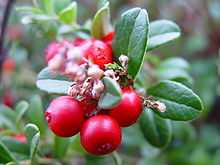
Hunter-Gatherer Restaurant Menu or Blueberry Foraging Guide
For this project Mr. Rothemich had us research wild plants that are edible. We did this project in order to connect our lives to the lives of Paleolithic hunter-gatherers that depended on foraging for wild plants to survive. Thanks for checking out my post.
Autumn Olive Scientific Name Elaeagnus Umbellata
The autumn olive is a small tree that can be found..
The autumn olive is a small tree that can be found..
For this project Mr. Rothemich had us research and create a wild menu for a hunter-gatherer meal. We did this project in order to connect our lives today to the lives of Paleolithic hunter-gatherers that depended on wild plants and animals to survive. Thanks for checking out my post.


Sources:
The Nature Conservancy
Friday, February 17, 2017
Ancient Egypt Religion Project
For this project we learned about Ancient Egypt beliefs. Our team created the slides on... Please enjoy.
Thursday, February 16, 2017
Ancient Egypt Religion and Death Project
Our class researched Egyptian religion and beliefs about death for this presentation. Our team created the slides on.... please enjoy.
Friday, January 6, 2017
Example Podcast Review Project # 13
 |
| Sphinx of Tahraqo Link to Photo |
For this project Mr. Rothemich had us examine two multimedia sources on the Ancient Nubian's. We had to answer several questions on these documentaries trying to work out what the central message of the documentaries was.
Title: The History of the World in 100 Objects
Type of Media: Podcast
Date Released: 2010
Principle maker(s): The British Museum and BBC Radio 4
Link to Source: http://www.bbc.co.uk/ahistoryoftheworld/about/transcripts/episode22/Some might think that the central message of this podcast on the Sphinx of Tahraqo was about water rights or control. I think the central message of this podcast is not about control of resources but conflict between cultures and ultimately how culture blend together. They spend a lot of time discussing the physical features of the Sphinx and how it blends traditional Egyptian Sphinx design such as the paws and the shape of the body with a face of a black African pharaoh, The Sphinx represents the blending of Egyptian and Nubian cultures. This blending of cultures and ideas is still continuing to this day. Sometimes peacefully and sometimes forcefully which the Nubian conquest of Egypt shows has been happening throughout history.
I think the trouble the Podcasts have is that we have become a very visual society. We expect to see moving images while being entertained and even while learning now. This Podcast does a great job though of creating an image in your mind, you can easily imagine faraway lands in Africa and even make connections to a distant past. In general it does an excellent job communicating its central message.
I think the creators wanted us to respond with a new sense of respect for less powerful people and cultures in society. As they mentioned in the podcast normally Egypt looked on Nubia as a place of rich resources but during a time of Egyptian weakness the Nubian's conquered their more powerful neighbor to the North and then began combining the two cultures together, the Sphinx of Tahraqo is a symbol of an often forgotten or ignored African culture.
Title: Story of Nubia
Type of Media: Documentary
Date Released: Uploaded on YouTube in 2011
Principle maker(s): Royal Ontario Museum
Link to Source: https://www.youtube.com/watch?v=_AyimQ4Nx4oThis is where I would continue my review answering the three questions on the Documentary Review Worksheet.
Tuesday, December 6, 2016
Example of Polytheism Blog >EGYPT
For this project Mr. Rothemich had us research and learn about the religious beliefs of the Ancient Egyptians. The Ancient Egyptians were Polytheists meaning they believed in many gods. The Egyptians believed that many hundreds even thousands of gods existed. These gods controlled all aspects of nature, from the rising and the setting of the sun to the annual flood of the Nile River.
Interesting Fact: Many Egyptian gods and goddesses were depicted with human bodies and animal heads.
According to Egyptian mythology, humans were created from the tears of a god. Humans as a creation of the gods were put in charge of maintaining balance and order in the universe which the Egyptians called Maat. It was important that humans do what is right and good in order for Maat to be maintained and for order to triumph over chaos..
In my research I found the God Osiris particularly interesting. Osiris was the god of the underworld protector of the dead. Egyptian religion taught that when a pharaoh died he would become Osiris and rule over his good and loyal subjects that had died before him.
Here is where you write your paragraph on the Epic of Gilgamesh answering the following three questions based on what you have learned in Social Studies and ELA 2.
British Museum Site for Kids
Ancient History Encyclopedia
Big Myth APP
Image of Osiris
Interesting Fact: Many Egyptian gods and goddesses were depicted with human bodies and animal heads.
_(Vall%C3%A9e_des_Rois_Th%C3%A8bes_ouest)_-4.jpg) |
| A variety of Egyptian gods and goddesses. |
According to Egyptian mythology, humans were created from the tears of a god. Humans as a creation of the gods were put in charge of maintaining balance and order in the universe which the Egyptians called Maat. It was important that humans do what is right and good in order for Maat to be maintained and for order to triumph over chaos..
In my research I found the God Osiris particularly interesting. Osiris was the god of the underworld protector of the dead. Egyptian religion taught that when a pharaoh died he would become Osiris and rule over his good and loyal subjects that had died before him.
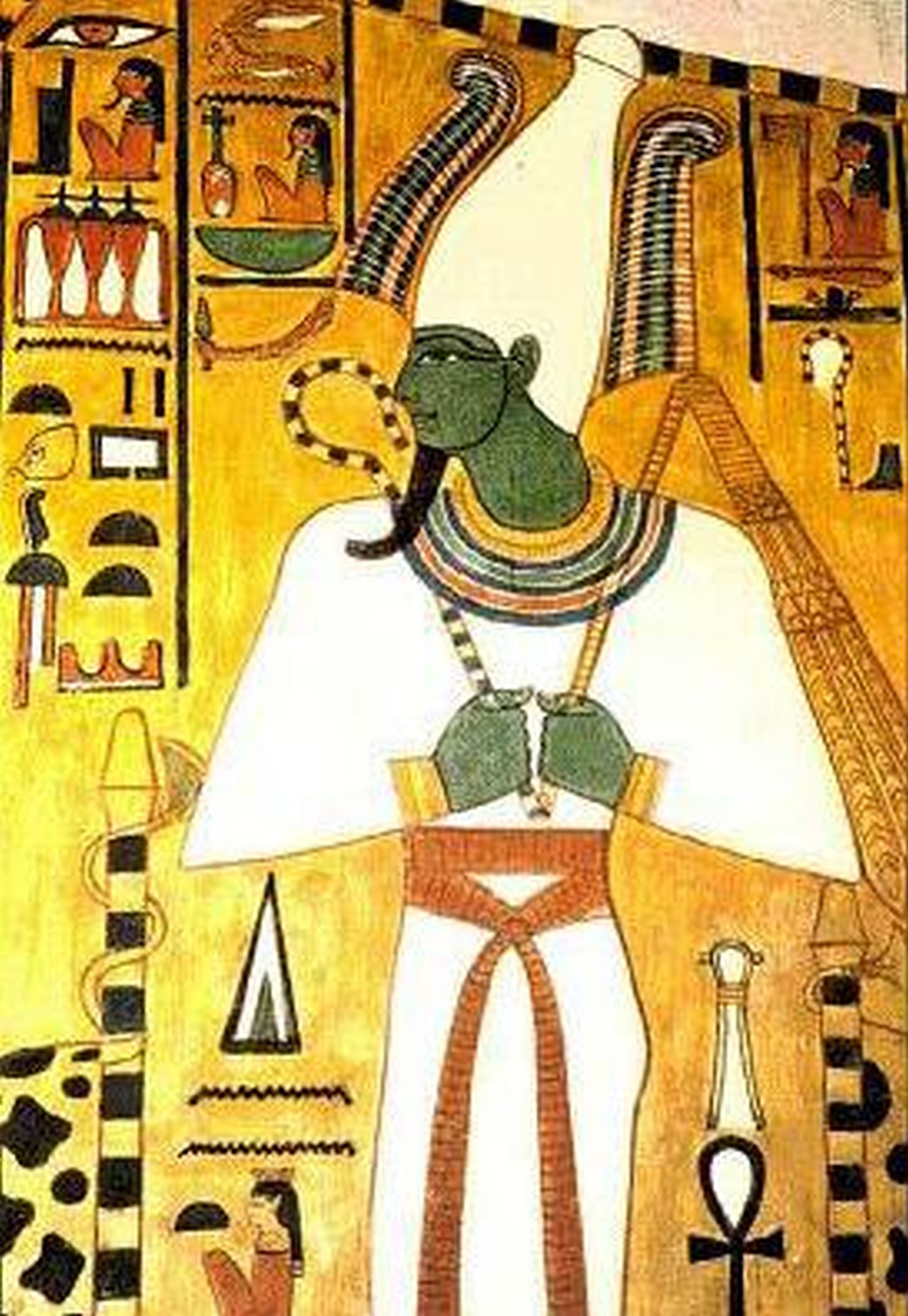 |
| This is an image of Osiris from the tomb of Queen Nefertari. |
- What is the Epic of Gilgamesh?
- Why is it important?
- Summarize the story and main theme of the Epic of Gilgamesh.
Sources:
Definition of Polytheism British Museum Site for Kids
Ancient History Encyclopedia
Big Myth APP
Image of Osiris
Thursday, December 1, 2016
Mesopotamia, over Achievers and early Inventors! Example Blog Post
For this project Mr. Rothemich had the class research the inventions and achievements of the Ancient Mesopotamian civilizations. The class created a Google Slide Show, the slide I created and presented to the class was _______.
Here is our class's slide show, I hope you learn something new.
Section 1 Google Slide Show
Section 2 Google Slide Show
Section 3 Google Slide Show
Section 4 Google Slide Show
Section 5 Google Slide Show
Here is our class's slide show, I hope you learn something new.
Section 1 Google Slide Show
Section 2 Google Slide Show
Section 3 Google Slide Show
Section 4 Google Slide Show
Section 5 Google Slide Show
Monday, October 31, 2016
Example of Project # 6 Civilization Blog Post
The definition of civilization that we received in class is ~ a society in an advanced state of social development. This means a group of people have reached a certain level of advanced development in several different areas that I will discuss below.


An Economy that Produces Food Surpluses
Geographic Boundaries
Geographic boundaries limit the size of civilizations as they are hard to cross and they prevent people from easily expanding their culture into another area. I choose this picture of the Sahara Desert because it has limited the interaction between civilizations and empires in North Africa and Southern Africa. The Roman Empire did not expand South of this geographic boundary in history and the cultures North and South of the Sahara desert are still quite different to this day.
Political Institutions
Political institutions are the form or forms of government that civilizations use to organize themselves. I choose a picture of the Rhode Island State House as it makes me think of government. The Rhode Island legislature meets here to make laws to govern the State of Rhode Island.
Continue Your Blog Post Below...
Fun Music Video On Civilization
Sources:
Thursday, October 6, 2016
EXAMPLE POST: PROJECT # 4 I Started Farming Before It was Cool A Hipster Guide to Leaving the Old Stone Age
For this project Mr. Rothemich asked us to take three pictures. Each picture shows one of the major innovations of the Neolithic Age. Each picture has a paragraph explaining how humans moved forward from the Paleolithic Age (Old Stone Age) to the Neolithic Age (New Stone Age). The dividing line between the two stone ages is the invention of farming. During the Paleolithic Age all food had to be either hunted or gathered. After the invention of farming people could begin raising plants and animals for food and for other resources that they needed.


Question: Explain how and why humans began using metal tools. What are the advantages of metal tools for humans?
My Sources:
6th Grade Social Studies Agricultural Revolution
Domestication Facts for Kids
Discovery of Metals
Book: Guns, Germs, and Steel: by Jared Diamond
Mankind the Story of Us: Birth of Farming: History
"Liquid Fire" to Metal Sword in minutes! - A History of Ancient Britain - Ep4 - Preview - BBC Two


Picture # 1 Domestication of Plants: My Bread & Class Lettuce

Question: Explain how and why humans began domesticating plants during the agricultural revolution. What are the advantages to humans?
We do not know how and why the first plants were domesticated. Some historians theorize that people accidentally began farming by caring for wild plants that they gathered from, clearing away other competing plants. It may also have been due to accidentally dropping seeds near camp, and sticking around long enough to observe the plant life cycle. However domestication happened our oldest evidence for plant domestication dates back to around 10,000 BC in the middle east. The ancient peoples of the middle east domesticated wheat and barley. These crops proved extremely helpful to early farmers as each seed planted provided many more seeds when the plant matured and the seed or grain was harvested. These seeds could be kept for years allowing food surpluses. Surplus food could be saved for years when harvests were poor. Eventually farmers got so good at creating food surpluses from plants like wheat, rice, and corn that some people could stop farming and specialize in other things like pottery, brick making, and soldiering. Food surpluses would eventually be a major contributor to the rise of civilizations. Wheat domesticated in the middle east thousands of years ago has spread all over the planet and is used to make bread and many other foods we enjoy today.
Picture # 2 Domestication of Animals: Guppies

Question: Explain how and why humans began domesticating animals during the agricultural revolution. What are the advantages to humans?
* Note to students, guppies are a domesticated fish by the strict definition of domestication, but you could probably come up with better picture examples of animals that have helped humans more.
Picture # 3 Metallurgy: Allen Key
 |
| Metal Allen Key |
Question: Explain how and why humans began using metal tools. What are the advantages of metal tools for humans?
My Sources:
6th Grade Social Studies Agricultural Revolution
Domestication Facts for Kids
Discovery of Metals
Book: Guns, Germs, and Steel: by Jared Diamond
Mankind the Story of Us: Birth of Farming: History
"Liquid Fire" to Metal Sword in minutes! - A History of Ancient Britain - Ep4 - Preview - BBC Two


Tuesday, October 4, 2016
Project # 4 Can you rise to the challenge of making bread?
Making Bread Tutorial
Ingredients- Bun Size
- 1/2 cup all-purpose or bread flour, more for dusting
- 2 pinches instant yeast
- 1/2 teaspoon salt
- Optional cornmeal, wheat bran or additional flour for dusting roll
Instructions
- Whisk together flour, salt and yeast in a large mixing bowl and add 1/3 cup lukewarm water (around 90-100 degrees is great). Stir just until blended and all of the flour is wet (add a little bit more water if you need to), and cover with plastic wrap. Leave in a warm place for about 12 (and up to 20 or so) hours.
- The dough is ready for the next step when its surface is dotted with bubbles. Flour a work surface and gently dump dough onto it. Using additional flour to keep dough from sticking, gently stretch the dough a little and fold it over itself a few times, then gently and quickly form it into something resembling a ball, rolling it around in additional flour if you need to to shape it.
- Place the ball of dough, seam side down, onto a kitchen towel dusted generously with additional flour, cornmeal or wheat bran. Cover with another flour (or cornmeal or bran)-dusted towel and allow it to rise in a warm place for two hours, or until dough is more than doubled in size.
- Heat oven to 450 degrees at least a half hour or so before the dough is ready and place a baking stone, cookie sheet, or dutch oven in the oven to preheat. When dough is ready, gently slide your palm under the bottom towel and plop the dough into or onto the baking stone, seam side up. Bake for around 30 minutes. (I like to take it out around 15-20 minutes in)
New York Times Video for No Kneed Bread
Monday, September 19, 2016
Started Example Blog Post
Do you ever sit awake at night wondering if the universe will end? Spoiler alert it will, but don't worry the universe will go on until long after our lifetimes.
.jpg)
The Big Bang is the theory that explains how the universe began.
Sources:
Dictionary.com
Big History Project
According to dictionary.com the Big Bang is defined as "a theory that deduces a cataclysmic birth of the universe (big bang)from the observed expansion of the universe, cosmic background radiation, abundance of the elements, and the laws of physics."
The Big Bang basically states that the universe began as.....
Sources:
Big History Project
Image:
Thursday, September 8, 2016
History as Mystery
"In 2004, 30 decapitated human skeletons, all male, were discovered in York, England. Scientists dated the bones to the third century CE. The heads of the decapitated bodies had been placed around the knees and feet. Eventually, about 80 male skeletons were unearthed."
-Excerpt from the student worksheet
Students worked in groups to create hypothesis that might explain the reasoning behind this gruesome event. Some of the student ideas are listed below.
"Maybe they fought a battle and were captured and executed."
"They might have been sacrificed to a god."
"They could have owed someone money and the person wanted to make an example of them"
"They might have upset the king."
"Maybe they were Christians and didn't want to follow another religion"
"It could have been a warning to others."
"We thought they might have been traitors or assassins."
The goal of the activity was to show students the difference between learning history from a book, and actually being a historian. They learned that the study of history depends on forensics, a bit like the crime labs we see on television, because true historians don’t retell neatly written stories—they solve mysteries. Historians must use a variety of approaches and seek input from a variety of experts to make sense of the past. This lesson illustrates the importance of using an interdisciplinary approach to solve complex questions...
We watched a 15 minute clip from the BBC video below. Students took note of the variety of experts who were brought in to solve this mystery.
Tomorrow we will finish this activity with a short reading and students will discuss the problems future historians will have when learning about our time period. We have so little evidence about the Romans to go on, but future historians will have far too much information about us. How will they decide what is important and memorable about our time period, and who will decide?
* Please note I adapted this project from materials over at the Big History Project, a free online course focusing on history from the big bang to today.
-Excerpt from the student worksheet
Students worked in groups to create hypothesis that might explain the reasoning behind this gruesome event. Some of the student ideas are listed below.
"Maybe they fought a battle and were captured and executed."
"They might have been sacrificed to a god."
"They could have owed someone money and the person wanted to make an example of them"
"They might have upset the king."
"Maybe they were Christians and didn't want to follow another religion"
"It could have been a warning to others."
"We thought they might have been traitors or assassins."
The goal of the activity was to show students the difference between learning history from a book, and actually being a historian. They learned that the study of history depends on forensics, a bit like the crime labs we see on television, because true historians don’t retell neatly written stories—they solve mysteries. Historians must use a variety of approaches and seek input from a variety of experts to make sense of the past. This lesson illustrates the importance of using an interdisciplinary approach to solve complex questions...
We watched a 15 minute clip from the BBC video below. Students took note of the variety of experts who were brought in to solve this mystery.
Tomorrow we will finish this activity with a short reading and students will discuss the problems future historians will have when learning about our time period. We have so little evidence about the Romans to go on, but future historians will have far too much information about us. How will they decide what is important and memorable about our time period, and who will decide?
* Please note I adapted this project from materials over at the Big History Project, a free online course focusing on history from the big bang to today.
Wednesday, September 7, 2016
First Day Welcome Back to School
On behalf of the entire Beacon Team, I would like to extend a warm welcome to all of our new Beacon students, parents, and guardians. I am excited to have the opportunity to work with your children this year.
On our first day, we introduced your children to our team and briefly discussed what we would be doing over the course of this year. After this initial meeting, we ran a series of breakout sessions the session I ran was on Growth Mindset.
Instilling or reinforcing a Growth mindset in your child is the concept behind much of what I do and believe as a teacher.
On our first day, we introduced your children to our team and briefly discussed what we would be doing over the course of this year. After this initial meeting, we ran a series of breakout sessions the session I ran was on Growth Mindset.
Instilling or reinforcing a Growth mindset in your child is the concept behind much of what I do and believe as a teacher.
I am looking forward to another amazing year of learning at NMS.
Subscribe to:
Posts (Atom)